Rust Proof Coatings Specified as a System, Not a Product
A coating fails at whichever layer was chosen carelessly. We spec the whole stack: 7001 primer for the substrate you actually have, an OR93BL or Flak Jacket polyurea barrier at the thickness the environment demands, and a topcoat only where it earns its place. Three decisions, written down, in the right order.
Request a Written SpecWhy the System Matters More Than the Middle Layer
Adhesion Is a Primer Decision
Every coating debate eventually turns into an adhesion failure investigation, and the answer is almost always the layer nobody argued about. 7001 primer is what lets one polyurea spec span blasted steel, galvanized, aged paint, concrete, wood, and single-ply membrane on the same asset.
Barrier Thickness Is an Exposure Decision
Twenty mils and eighty mils are the same chemistry doing very different jobs. DFT should be derived from the exposure — atmospheric, wash-down, immersion, abrasion — not from a habit or a price target. We write the number and the reason next to each other.
Topcoat Is an Appearance Decision, Usually
Aromatic polyurea chalks in UV. That is cosmetic, not functional. On a conveyor gallery, skip the topcoat and save the money. On architectural or public-facing steel, add an aliphatic topcoat. Knowing which is which is worth more than either product.
One Document Everyone Can Hold
Prep standard, profile, chloride limit, primer, barrier product, DFT, topcoat, inspection points. When all of it is written in one place, the blast crew, the sprayer, and the inspector are arguing from the same page instead of three.
Systems We Write
Each of these is a different stack — the barrier chemistry stays in the family, the primer and thickness do not.
- Structural & fabricated steel
- Mixed-substrate industrial assets
- Metal roofs & building envelopes
- Tanks, sumps & containment
- Conveyors & material handling
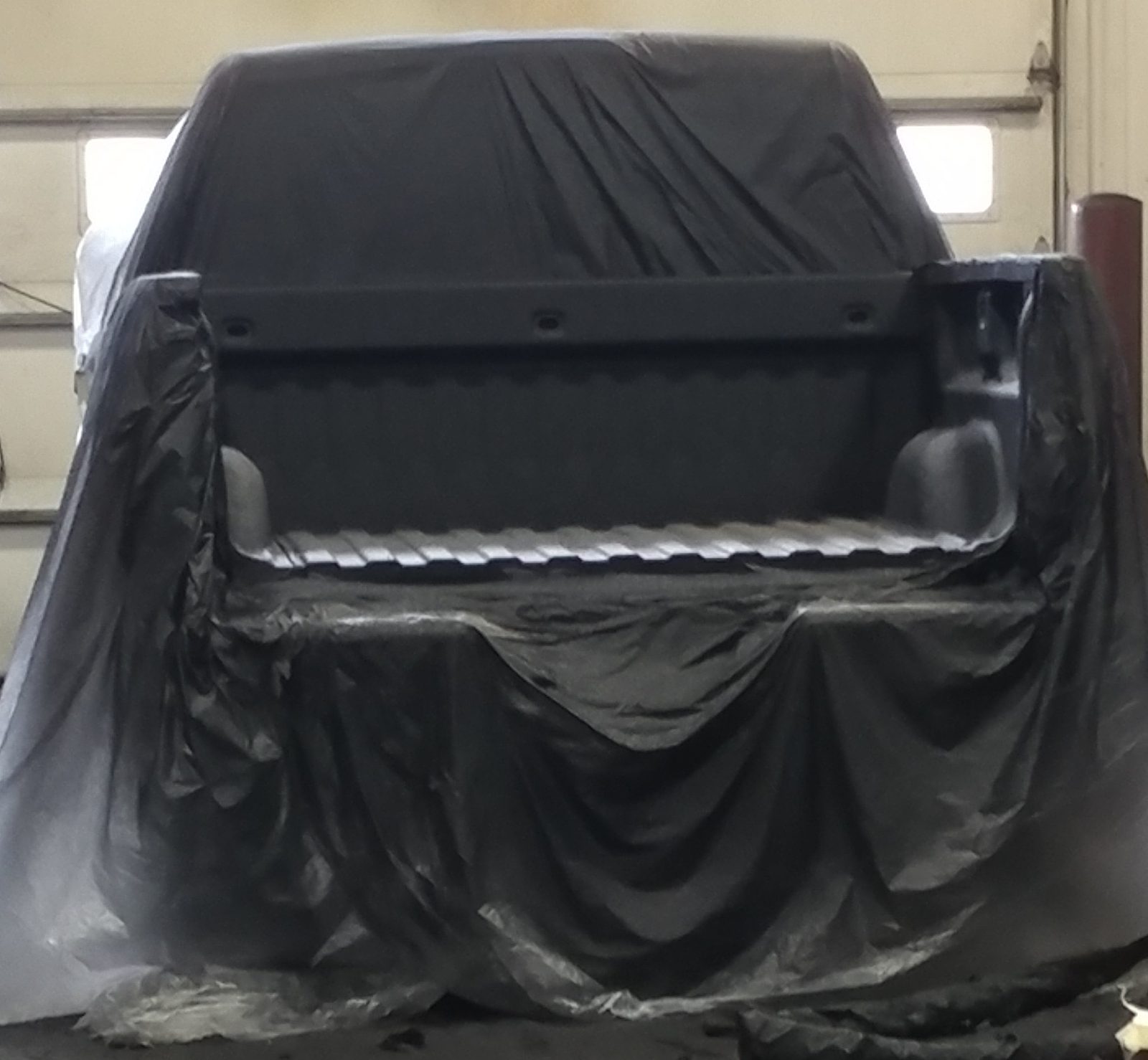
- Fleet, trailer & deck systems
- Wash-down & food plant steel
- Concrete curbs, pads & bunds
- Marine & splash-zone structures
- Architectural exposed steel
The Layers You Are Choosing Between
Four components. A complete spec names which, at what thickness, over what prep — and says why.
Coatings Fail at Interfaces
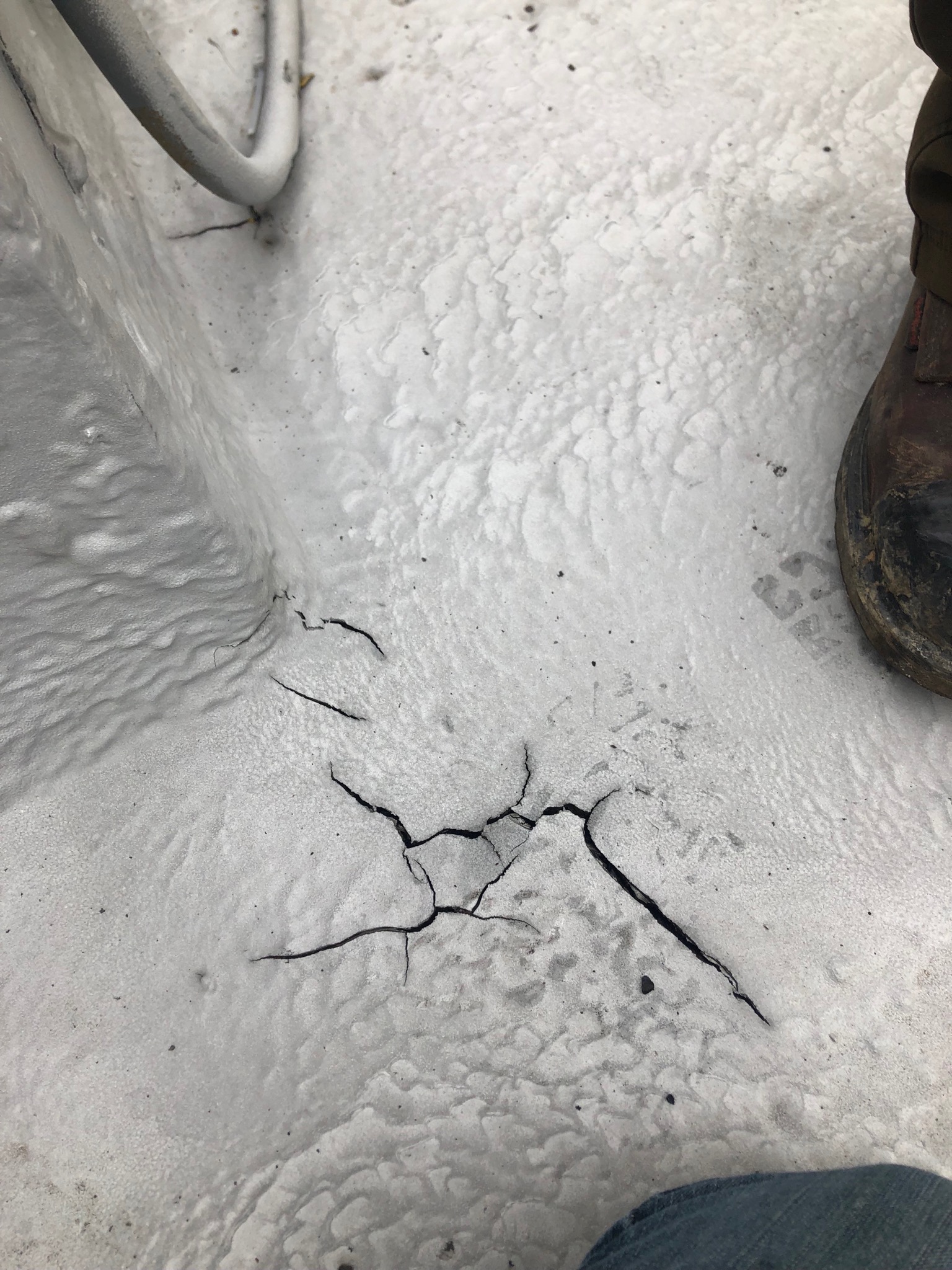
Pull a failed industrial coating apart and look at where it separated. It is almost never a hole through the middle of the barrier layer. It is the primer releasing from the substrate, or the second coat releasing from the first, or the topcoat releasing from the coat beneath it.
That is the argument for thinking in systems rather than products. The barrier layer gets all the attention because it is the one with the data sheet everybody reads, but the interfaces are where the service life is actually decided — and interfaces are created by the number of layers you choose.
Polyurea reduces the count. Because it builds 20 to 120 mils in a single pass, a complete rust proof coating system is often two layers, sometimes one: primer where the substrate needs it, then the full barrier thickness in one shot. There is no inter-coat interface inside the barrier at all, because there is no second barrier coat.
What remains to be specified is genuinely three decisions — which primer, which barrier at what DFT, and whether a topcoat is justified. That is the whole system, and it fits on one page.
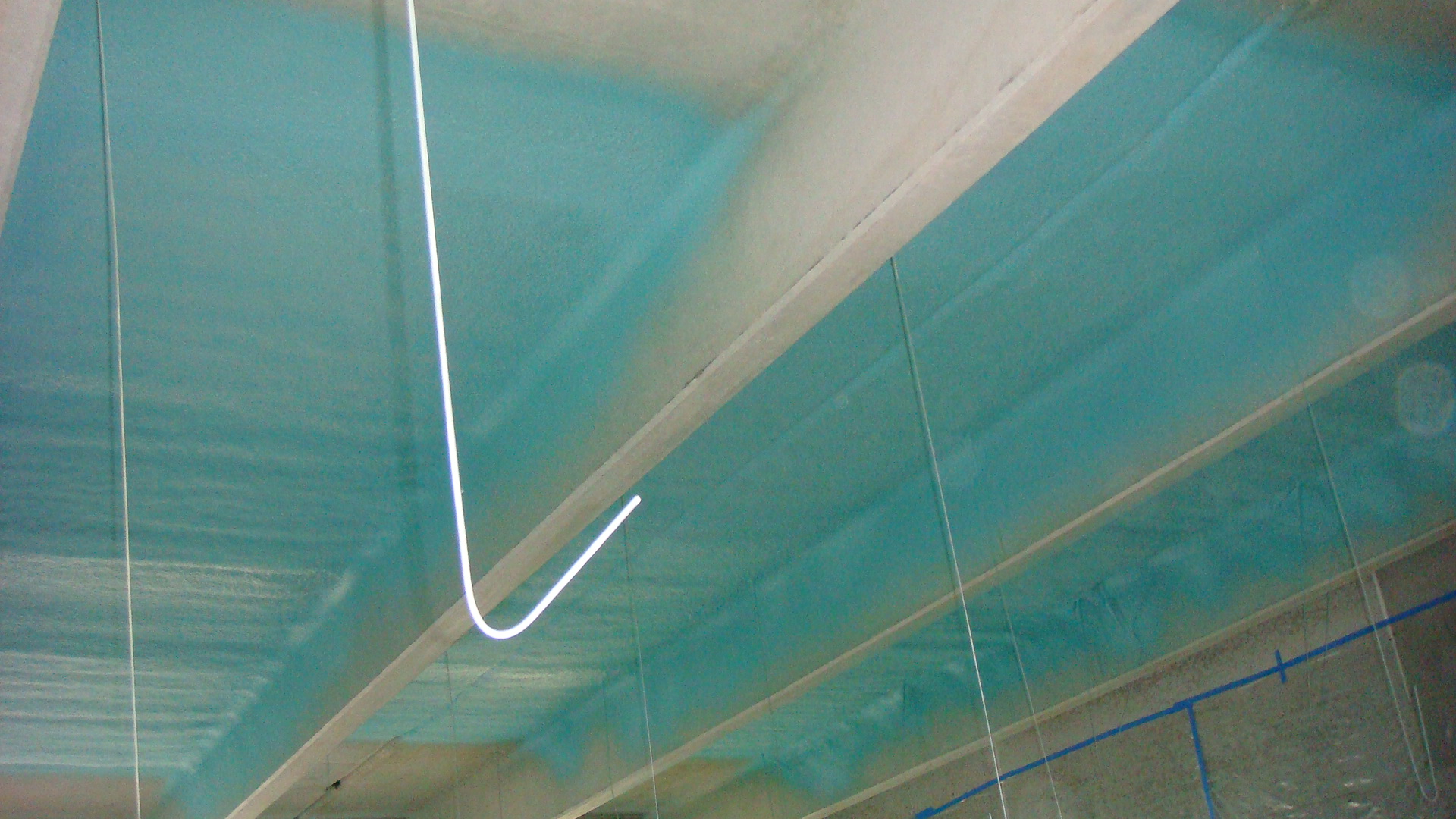
System Fundamentals
The Three Questions a Spec Has to Answer
Before anyone quotes a square foot price, a rust proof coating system needs answers to three things. Everything else follows from them.
- What is the substrate — really? Not "steel." Blasted carbon steel, galvanized, previously painted with an unknown alkyd, concrete curb, wood decking, and a stretch of EPDM are five different adhesion problems and most real assets contain several of them. This determines the primer.
- What is the exposure? Atmospheric weather is not the same as daily caustic wash-down, which is not the same as continuous immersion, which is not the same as aggregate abrading the surface. This determines the barrier product and the DFT.
- Does anyone look at it? If the asset is inside a plant or on a roof, aromatic chalking is irrelevant and a topcoat is money spent on nothing. If it is architectural or customer-facing, an aliphatic topcoat is the difference between a coating that ages well and one that merely works.
Answer those three and we can write the spec — prep standard, profile, chloride limit, layer-by-layer product and thickness, and inspection hold points — in a form you can put out to bid.
Systems in Place
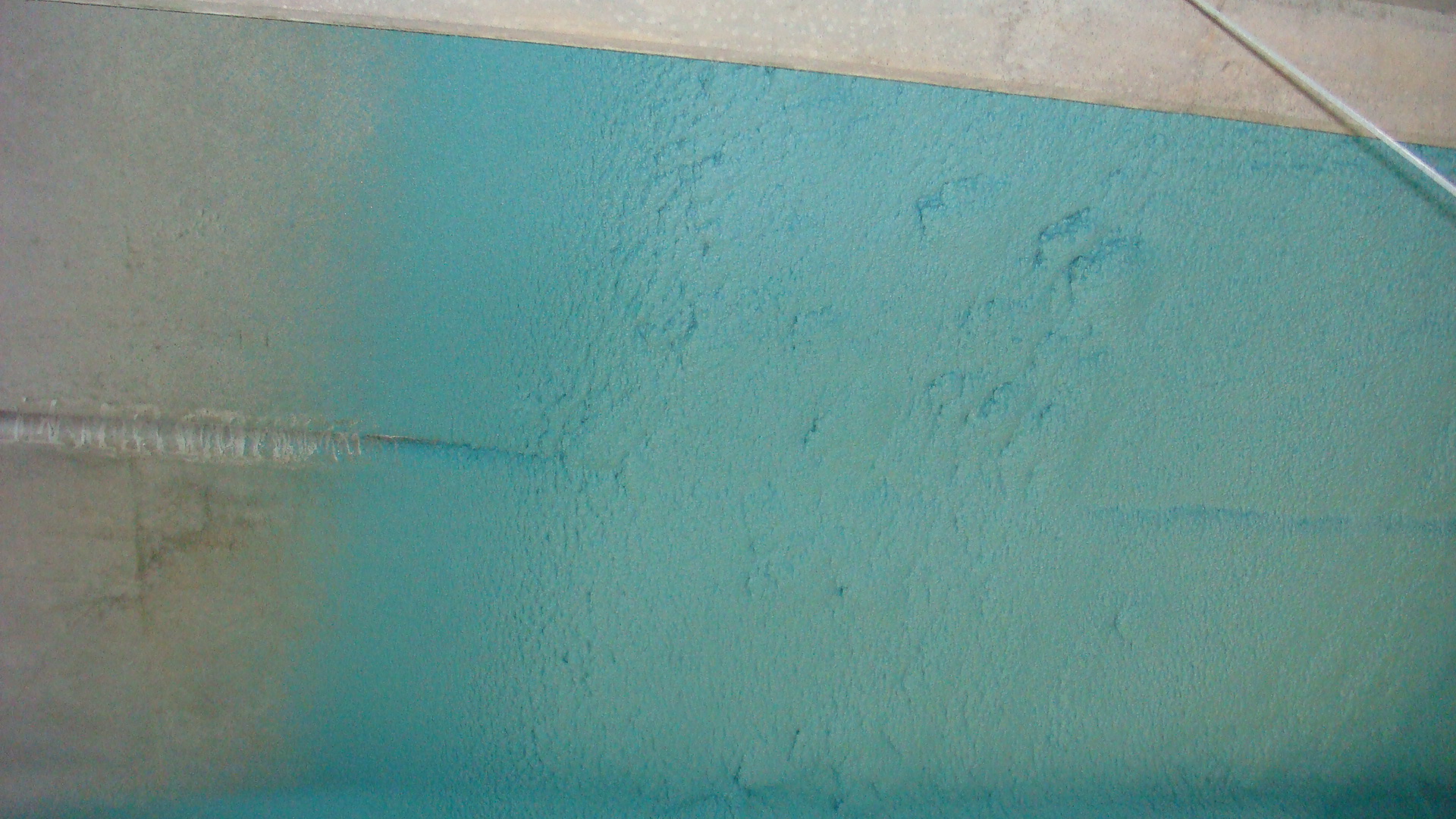
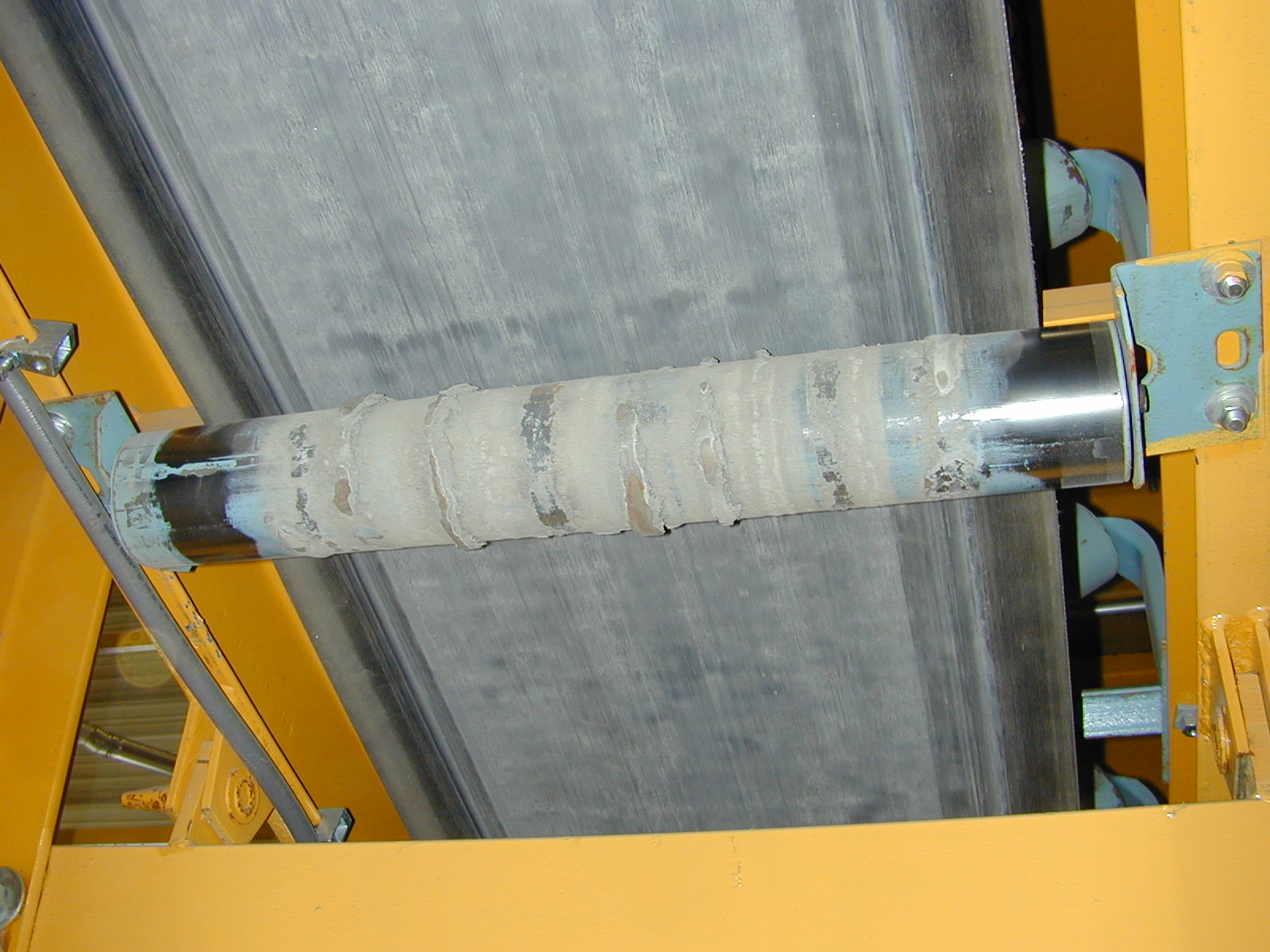
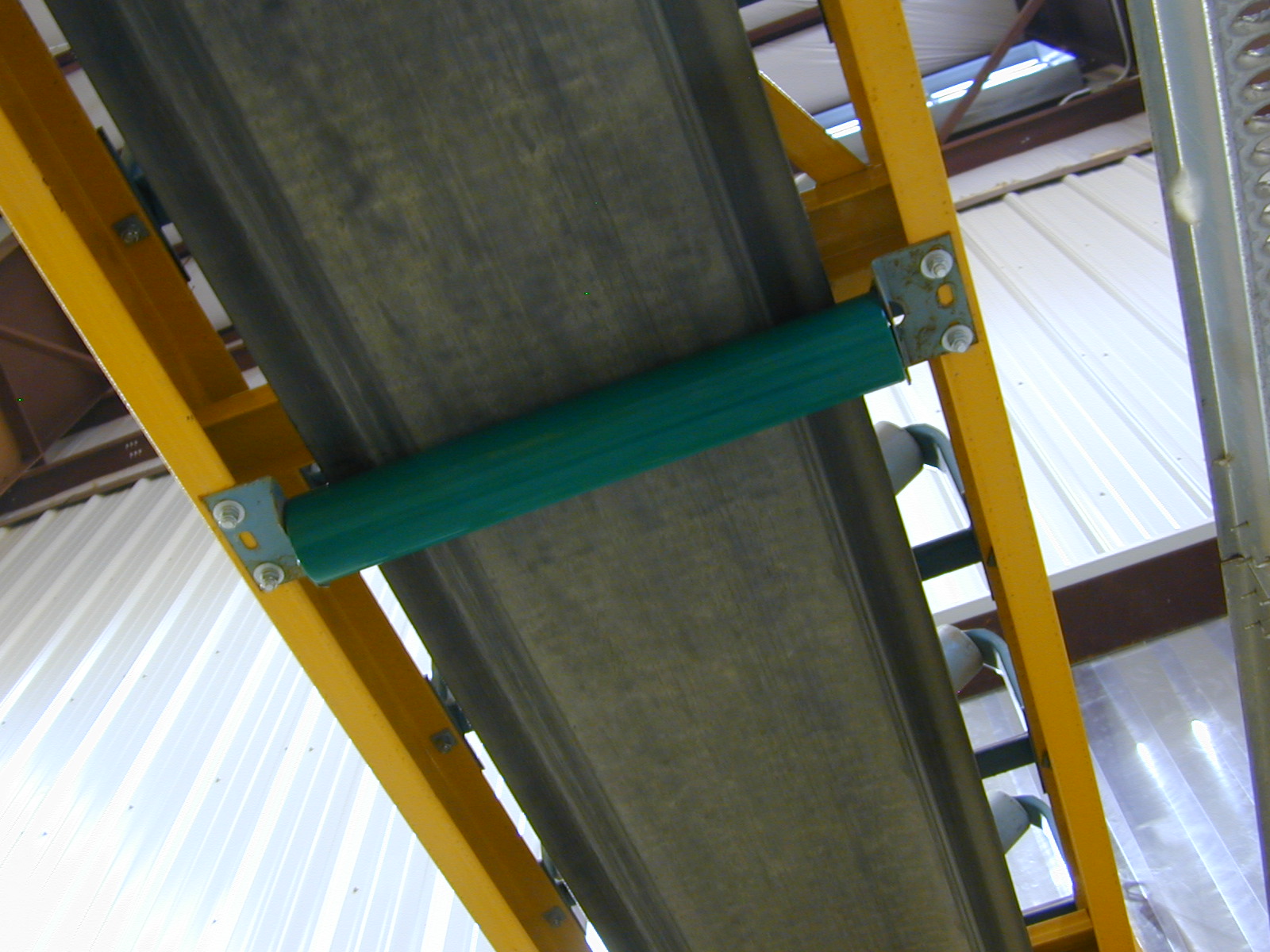
Send Us the Asset, Get Back a Specification
Substrate inventory, exposure description, and remaining service life. You will get a layer-by-layer written spec with DFT targets, prep standards, and inspection points — in a form you can issue for bid.
Request a Written SpecRequest a Written Spec
Tell us about your project and we will follow up with product details, technical data sheets, and pricing.
Frequently Asked Questions
Frequently Asked Questions
The questions that come up while a specification is still being drafted.
Layer Selection
How many coats does a complete system actually need?
Usually one or two. On clean blasted carbon steel, the barrier goes directly on and that is the whole system. On every other substrate you add 7001 primer beneath it. A third layer — an aliphatic topcoat — is added only when appearance matters. Any spec calling for three or four polyurea coats is misunderstanding what single-pass build means.
When can I leave the primer out?
Only over freshly blasted carbon steel coated within the same shift. Everywhere else — galvanized, painted, concrete, wood, TPO, EPDM — specify 7001. It costs a fraction of the barrier layer and it is the layer that decides whether the system stays attached.
Is a topcoat required for corrosion performance?
No. A correctly specified barrier layer provides the corrosion protection by itself. Aromatic polyurea chalks in UV, which changes appearance and nothing else. Specify an aliphatic topcoat when colour and gloss retention matter — architectural steel, customer-facing structures, colour-matched fleets — and skip it otherwise.
Can I mix your primer with another manufacturer's barrier coat, or vice versa?
You can, and people do, but you inherit the compatibility risk. The most common failures we are called in on are cross-manufacturer interface problems where every product met its own data sheet. If you go that route, do adhesion testing on a representative mock-up first and get both manufacturers to comment in writing.
Writing the Specification
How do I derive a DFT rather than guessing one?
Start from exposure. Interior dry, 20 mil. Exterior atmospheric, 40–60. Wash-down or coastal, 60 with chlorides verified. Immersion and vessel interiors, 60–100. Aggregate abrasion, 80–120 in Flak Jacket Pro. Then adjust for remaining asset life — a structure with fifteen years to run justifies more than one scheduled for replacement in three.
What inspection hold points should the spec include?
Anchor profile verified by replica tape; chloride test result; substrate temperature above dew point at time of spray; wet film readings during application; final DFT survey; and holiday testing where containment or immersion is involved. Put them in the spec as hold points, not as suggestions.
How do I write the stripe-coat requirement?
Name the details explicitly: weld toes, cut and sheared edges, fastener heads and washers, back-to-back angle returns, and bolted connection perimeters. Require an additional pass at those locations before the full-field coat. Polyurea holds film at edges far better than thin-film systems, but stripe coating is cheap and those are the locations that fail first.
Should the spec allow SP3 prep, or insist on SP6?
Depends on whether you are protecting new steel or extending the life of an in-service asset. SP6 earns the full warranty and should be specified wherever the asset can be taken down and blasted. SP3 over sound, tight rust is a legitimate maintenance approach with a reduced-warranty note — write that note into the spec rather than leaving it to be discovered later.
Execution & Cost
What equipment does the spec need to require?
A plural-component proportioner with heated hose — Graco Reactor E-20 or E-30 class or equivalent — and an impingement-mix gun. State it explicitly. The barrier layers cannot be brushed, rolled, or applied with a single-component airless, and a bidder who does not have the equipment needs to know before they price the job.
How do the layers bond to each other?
Barrier over 7001 within the primer's recoat window bonds chemically. Barrier over barrier within about six hours bonds chemically with no re-prep. Past six hours, abrade and re-prime the surface before recoating. Write those windows into the spec so the crew is not guessing on day two of a large job.
How does a polyurea system compare in cost to a three-coat epoxy/urethane system?
Material per square foot is higher. Installed cost is frequently comparable once you count labour across three coats and the cure time occupying the asset or the shop floor. Over the service life the polyurea system generally wins, because there is no five-to-seven year maintenance recoat in the plan. Compare dollars per year of service.
How is the system repaired after damage?
Abrade the damaged area and a margin around it, apply 7001 primer, respray the barrier to the specified DFT. Minutes of work, and it restores the system rather than patching over it. Include the procedure in the spec so field crews are not improvising.
Question About a Spec You Are Drafting?
Send the section and the asset description. We will answer as engineers, not as a sales desk.
Ask a Question